
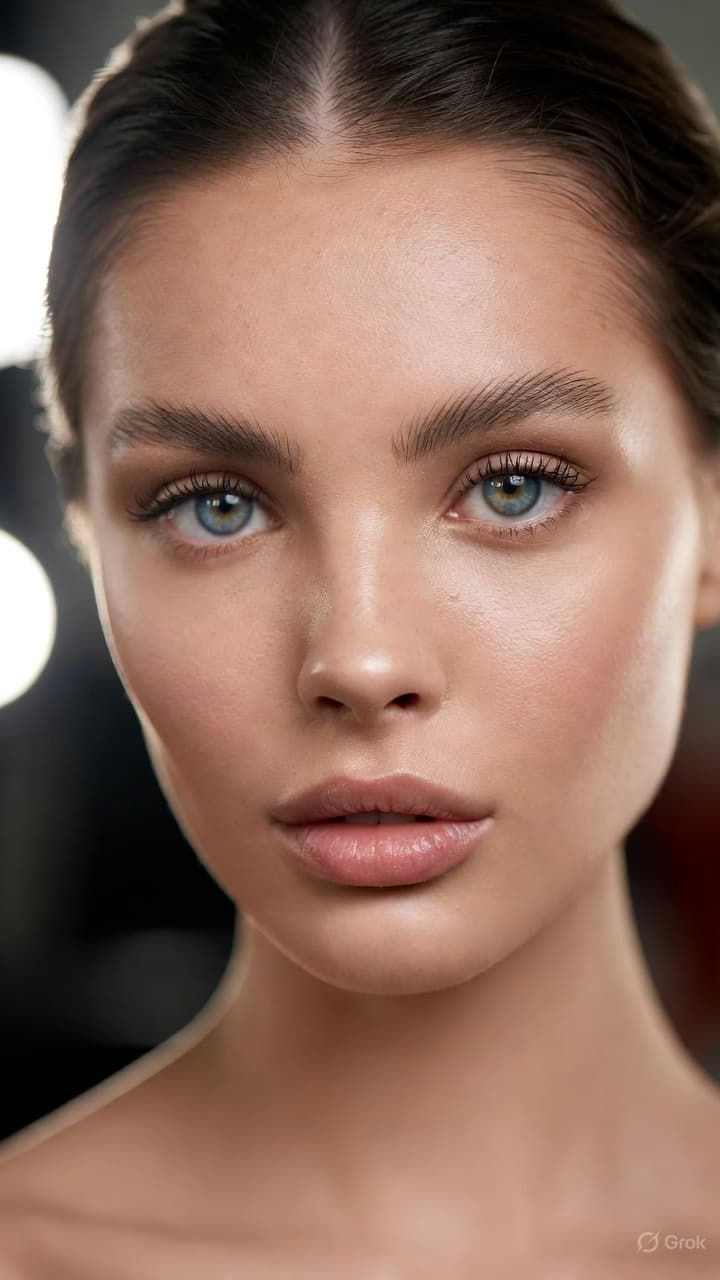
Portrait painting in oil is perhaps the most technically demanding subject in traditional art — and one of the most rewarding to generate with AI prompts. Getting skin tones, brushwork character, and lighting right requires specific vocabulary that signals to AI models what you're trying to achieve. This guide goes deep on the oil portrait specifically, building on our complete oil painting prompts guide.
The Science of Oil Portrait Skin Tones
How Old Masters Mixed Skin Tones
Traditional oil portrait painters used specific color mixtures that created the luminous skin quality that makes Old Masters portraits so recognizable:
The Venetian Method: Warm sienna and ochre underpainting, layered with cool shadows and warm lights, unified with amber varnish
The Flemish Method: Precise color observation, multiple thin glazes, lead white highlights applied last
The Direct Painting Method (alla prima): Precise color mixed on palette before application, one session painting
Skin Tone Vocabulary for AI Prompts
Include these specific terms to signal authentic oil portrait skin tone rendering:
Skin tones using: warm ochre lights, cool [blue-gray/lavender] shadows,
vermillion in cheeks, green earth in half-tones
Luminous glazed skin — warm amber underpainting visible through cooler surface layers
Payne's gray and alizarin crimson in deepest shadows, titanium white with
yellow ochre highlights, warm mid-tones
10 Focused Oil Portrait Prompt Templates
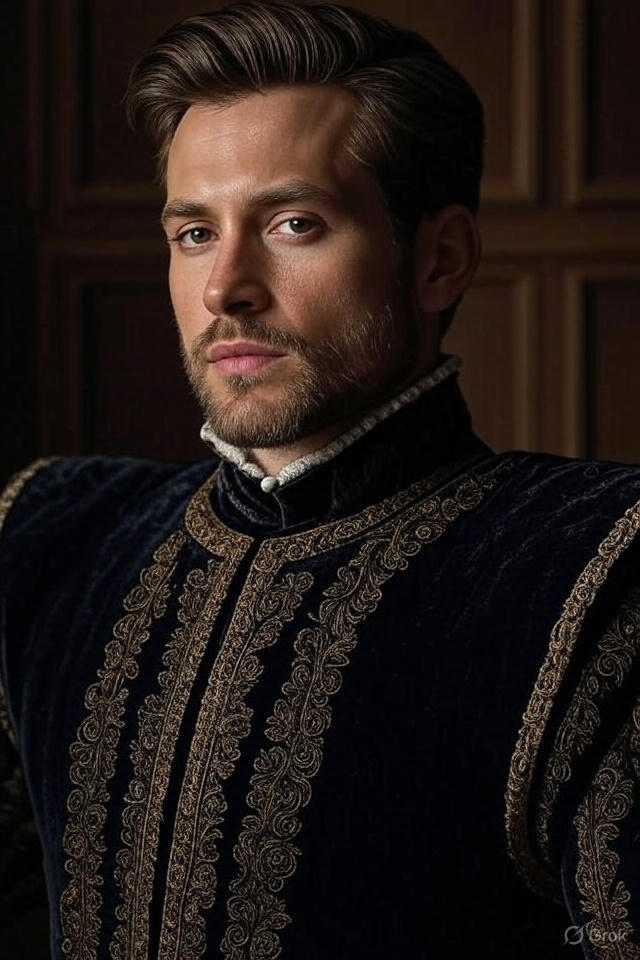
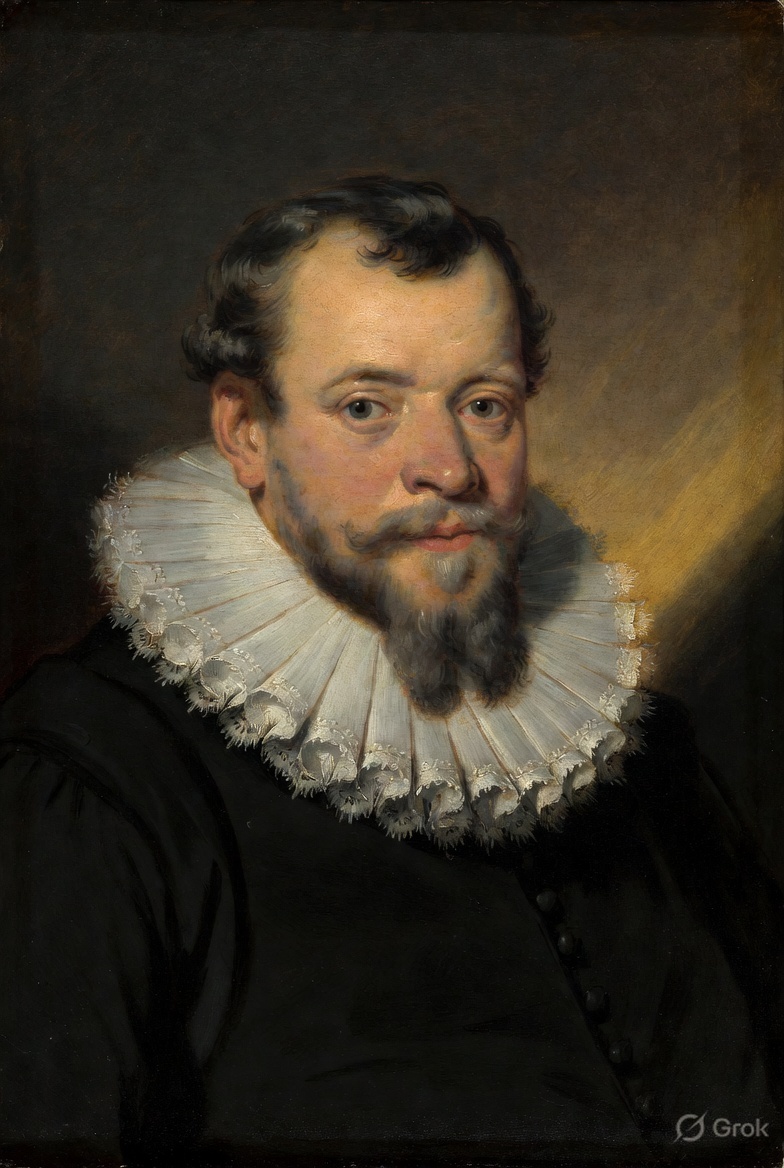
1. Old Masters — Rembrandt Self-Portrait Style
Create an oil painting portrait in Rembrandt's mature style — the psychological
depth of his late self-portraits. Subject: [description]. Lighting: Classic
Rembrandt lighting — dramatic single light source creating the signature triangle
of light on shadow-side cheek. Shadows: Rich, warm shadow tones — umber, raw sienna,
with almost no reflected light. Skin: Multiple transparent glazes creating extraordinary
luminosity. Lead white highlights: Applied thickly and confidently on lightest areas —
almost impasto in spots. Eyes: Deep-set, thoughtful, alive with psychological presence
despite deep shadow. Costume: Suggested rather than fully rendered, subordinate to face.
Background: Dark, graduated warm-to-cool shadow. Palette: Earth palette — lead white,
yellow ochre, raw sienna, burnt sienna, umber, black. Museum quality.
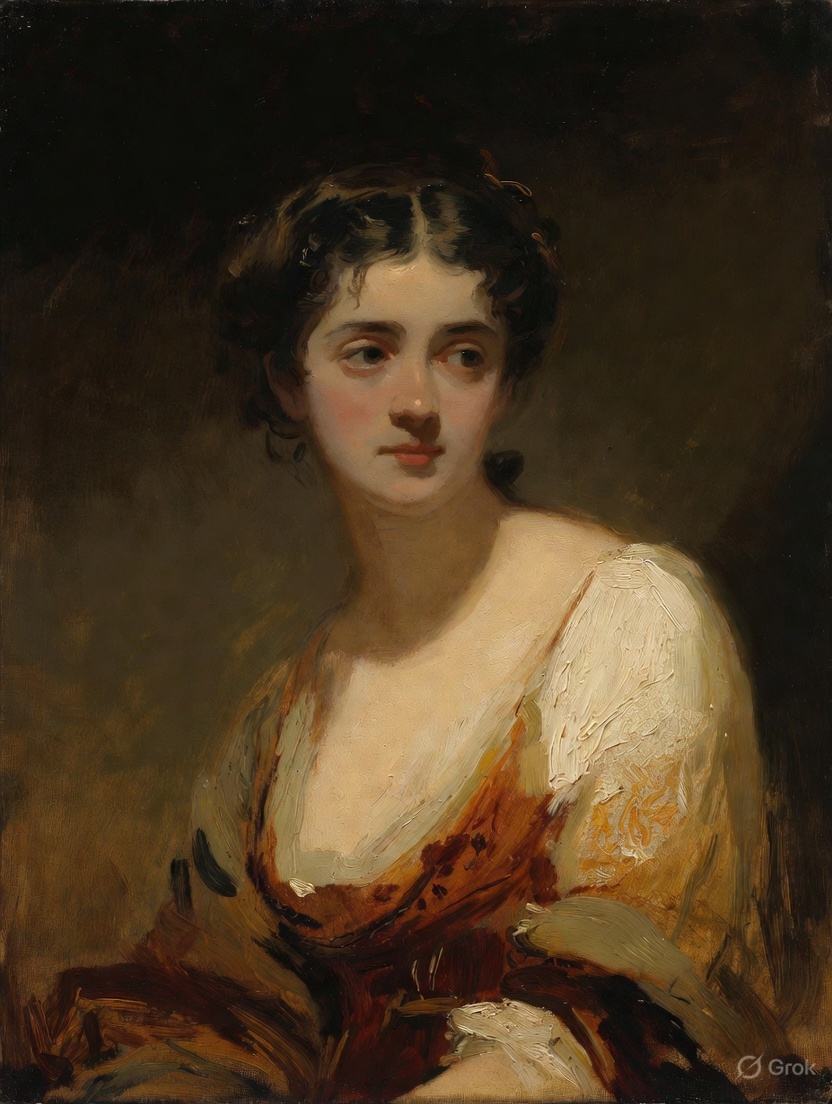
2. Sargent — Alla Prima Bravura
Create an oil portrait in John Singer Sargent's alla prima bravura style. Subject: [description].
Method: Single-session painting, each brushstroke placed decisively and not reworked.
Brushwork: Visible, confident, varied — each stroke shows direction and pressure.
Values: Strong light-dark contrast, brilliant whites in highest lights.
Palette: Black, white, yellow ochre, burnt sienna, cadmium red — Sargent's typical
limited palette used with extraordinary skill.
Background: Loosely painted, impressionistic, suggesting setting without competing.
Face: Accurate and alive, with the freshness that comes from not overworking.
Clothing: Fabric suggested with single confident strokes capturing material quality.
Speed: The painting should feel like it was completed in hours, not days.
3. Contemporary Realist Portrait
Create a contemporary oil painting portrait in the tradition of living realist painters.
Subject: [person description — include specific character details].
Technique: Modern realism — the precision of Old Masters technique applied to
contemporary subjects and sensibilities.
Light: [Specific lighting — natural window/studio/mixed] captured accurately.
Skin: Sophisticated color observation — warm, cool, and neutral areas carefully
distinguished. Not photographic smoothness — painted with visible consideration of form.
Brushwork: Varied — smooth where form is smooth, textural where texture exists.
Background: [Simple/environmental] treated as a deliberate choice supporting the portrait's mood.
Palette: [Specific palette noting warm/cool bias and any signature colors].
Psychological: Something specific about this person captured — more than technical likeness.
4. Skin Tone Study — Various Complexions
Create an oil painting study demonstrating the rich color complexity within [specific
skin complexion — deep ebony/warm sienna/olive Mediterranean/cool Nordic/warm East Asian].
Approach: Each complexion contains extraordinary color complexity — this painting
should reveal it.
Shadow colors: [The actual colors in shadows for this complexion — deep brown-umber/
cool blue-gray/warm ochre-brown].
Mid-tone colors: [The transitional colors].
Highlight colors: [Warm or cool highlights appropriate to this skin].
Reflected light: Subtle bounce light in shadow, colored by environment.
Layering: Evidence of multiple thin glazes building depth.
Light: [Specific lighting enhancing the skin's inherent beauty].
Intention: Celebrate this complexion's specific beauty through accurate, loving observation.
5. Portrait with Dramatic Chiaroscuro
Create a dramatic oil portrait using extreme chiaroscuro — the Baroque approach
of Caravaggio or Georges de La Tour.
Subject: [Description] emerging from nearly total darkness.
Illumination: A single light source [candle/torch/lantern/single window beam]
providing all light in an otherwise dark scene.
Lit areas: Brilliantly illuminated, every detail visible — almost harsh light
quality in brightest spots.
Shadow areas: Deep, warm darkness — umber shadows with very little reflected light.
Transition: Rapid transition from light to shadow — Caravaggio-style dramatic darkness.
Light source: [Visible or implied]. If candle or lamp visible, the flame itself
as light source creates warm tone.
Hands: [If visible] particularly dramatic in chiaroscuro.
Expression: [Specific emotional state] intensified by the dramatic lighting.
Background: Essentially black — no detail.
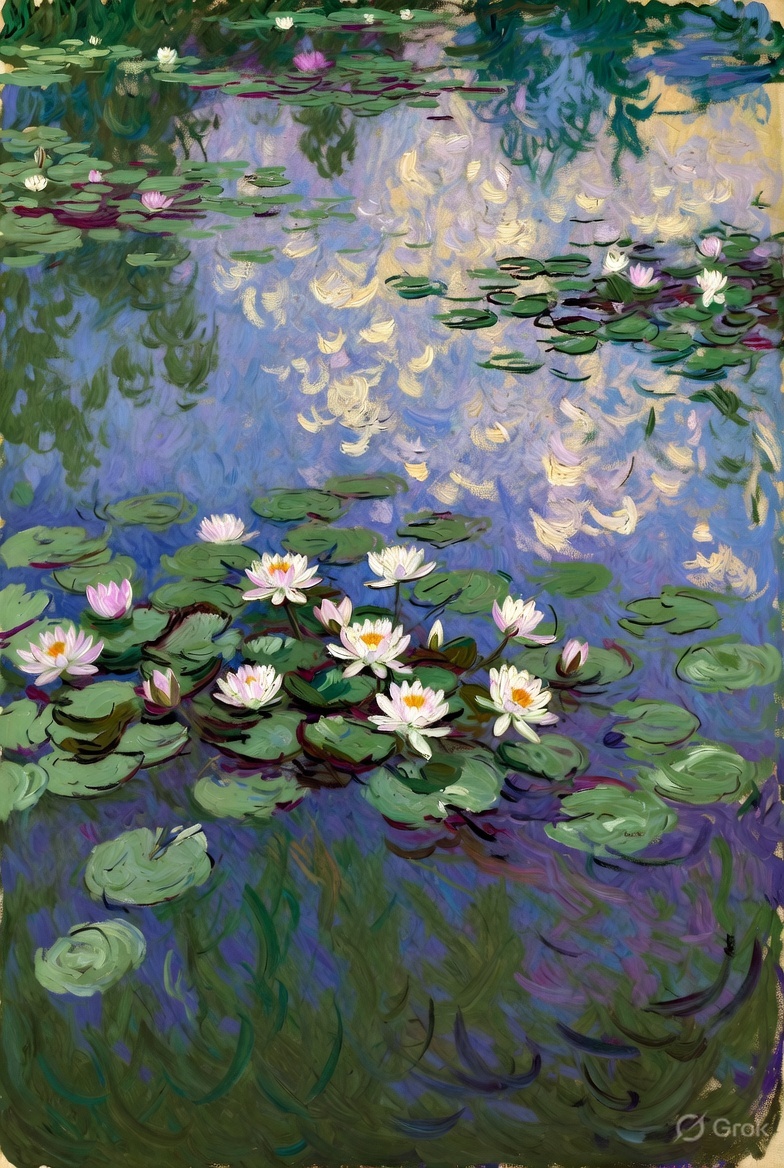
6. Impressionist Portrait — Plein Air Light
Create an Impressionist oil painting portrait in the outdoor light tradition
of Renoir, Morisot, or Cassatt.
Setting: [Outdoor setting — garden/café terrace/water's edge].
Light: Dappled outdoor light — the complex, moving quality of sunlight through
leaves, creating varied warm and cool patches on skin and clothing.
Technique: Broken color, visible brushstrokes, color placed next to color rather
than blended.
Skin in sunlight: Warm highlights, reflected sky-color in shadows, complex color
even in a small area of skin.
Background: Impressionist treatment — suggestions of environment rather than
detailed rendering.
Palette: Pure Impressionist pigments — cobalt blue, cadmium yellow, rose madder,
viridian, titanium white.
Mood: The specific pleasure of a moment outdoors — light and warmth captured.
7. Oil Portrait Study — Hands and Face
Create an oil painting portrait study including both face and hands — the
traditional academic combination study.
Subject: [Description] in pose showing both face and hands naturally.
Hands: Carefully rendered — hands are the most expressive secondary feature
in portraits after the face. [Specific hand pose].
Compositional relationship: Face and hands creating a triangular composition,
each reinforcing the other's emotional quality.
Skin: Same color approach for face and hands — consistent, warm, beautifully
rendered oil skin tones.
Lighting: [Specific light source] creating consistent light and shadow on both
face and hands.
Background: Simple, not competing with this dual-focus study.
Artistic tradition: This study type was practiced by Old Masters — bring that
seriousness of purpose to the image.
8. Portrait Series — Multiple Studies
Create an oil portrait study page showing the same subject [or different subjects]
from multiple angles and in different lighting conditions. As if:
Four separate oil portrait studies arranged on one canvas or shown in sequence.
Studies: [Front view/three-quarter left/profile/three-quarter right] or different
lighting conditions [frontal/Rembrandt/top light/backlit rim].
Each study: Different quality and character from the lighting or angle change.
Technique: Each painted with oil paint on toned ground — consistency of medium.
Purpose: Academic study purpose visible — exploring the same subject under
different conditions to understand form and light.
Palette: Consistent across studies — same materials.
Academy quality: This is serious fine art academic painting practice.
9. Child Portrait — Tender and Luminous
Create an oil painting portrait of a child [age description] in the tradition
of great child portraiture.
Subject: [Brief description] with the particular quality children have —
unselfconscious, present, full of specific personality.
Skin: Children's skin has different quality from adult skin — more luminous,
faster transition from warm to cool. Paint it accordingly.
Expression: [Specific — focused on something/laughing/absorbed/quiet].
Eyes: Wide, bright, alive — the focal point.
Hair: [Description] with the specific texture of a child's hair.
Lighting: [Gentle window light/soft outdoor/tender studio light].
Background: Simple or softly environmental — nothing competing with the child.
Color palette: Fresh, clear — avoiding the heavy earth tones that might feel
right for adult portraits.
Tradition: [Velázquez's child portraits/Mary Cassatt/contemporary realist child portraits].
10. Self-Portrait in the Studio
Create an oil painting self-portrait of an artist in their studio, in the
tradition of artists' self-portraits throughout history.
Setting: Studio environment — [easels/canvases/paint supplies] visible in background.
Pose: [Specific — holding palette and brushes/working at easel/direct gaze at viewer].
Lighting: Studio lighting — [window/artificial studio light].
Artist's hands: [If visible] showing the tools of the trade.
Expression: The specific quality of self-examination — direct gaze, honest observation.
Background: Studio in soft focus — recognizable as workspace without competing.
Meta-awareness: The painting acknowledges the artist painting themselves.
Palette: Warm oil painting tones — the self-portrait in oil tradition.
References: [Rembrandt/Vigée Le Brun/Frida Kahlo/contemporary tradition].
Oil Portrait Skin Tone Quick Reference
| Complexion | Shadow Colors | Mid-tone Colors | Highlight Colors |
|---|---|---|---|
| Fair/Nordic | Cool blue-gray, lavender | Yellow ochre + white | Titanium white |
| Warm European | Umber, burnt sienna | Yellow ochre, cadmium | Warm white + yellow |
| Mediterranean/Olive | Raw umber, viridian | Yellow ochre, raw sienna | Naples yellow + white |
| South Asian | Burnt umber, violet | Raw sienna, ochre | Warm white + sienna |
| East Asian | Neutral gray-brown | Yellow ochre + sienna | Cool white |
| West African | Burnt umber, black | Burnt sienna, ochre | Warm sienna + white |
| East African | Deep umber, blue-black | Burnt sienna | Ochre or sienna |
Related Resources
- Oil Painting Portrait Generator — Generate oil portraits free
- Oil Painting Still Life Generator — Practice seeing color in still life
- ChatGPT Oil Painting Guide — Complete oil painting prompt library
Conclusion
Oil portrait prompts require vocabulary that signals both the medium (glazing, alla prima, impasto) and the specific tradition you're referencing. The difference between "Rembrandt-style portrait" and a fully specified Rembrandt prompt including palette, lighting pattern, skin tone approach, and background treatment is the difference between a vague result and a genuinely compelling oil portrait simulation.
Use these 10 templates as specialized tools within your oil painting prompt practice — each is optimized for a specific portrait tradition and technique.