
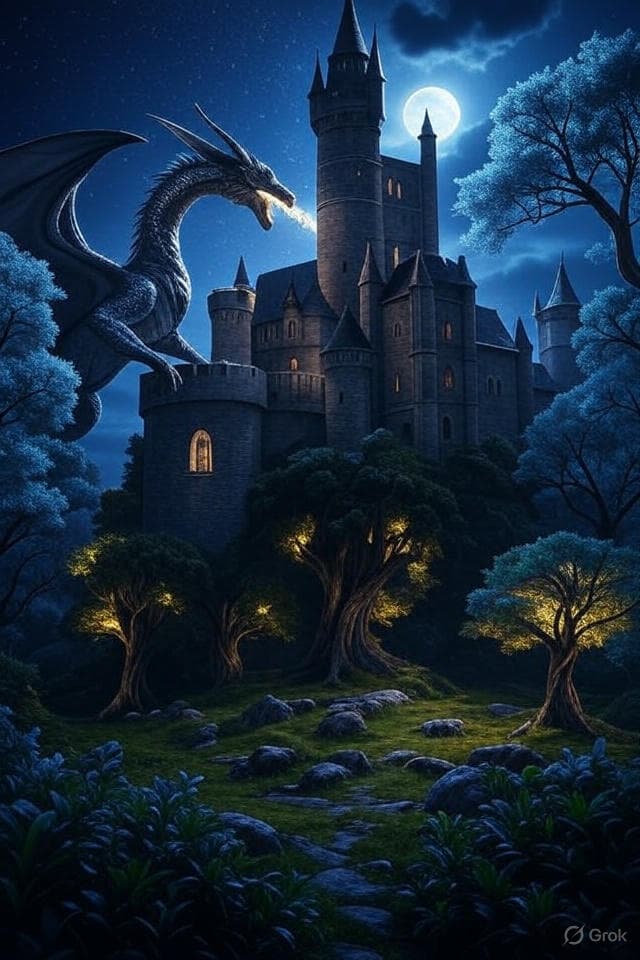
Fantasy art stands as one of the most imaginative and visually striking genres you can generate in 2026. Midjourney v7 is particularly strong for fantasy art generation due to significantly improved anatomy and lighting capabilities compared to previous versions. Whether you're creating concept art for games, illustrations for fantasy novels, or building a visual portfolio of magical worlds, mastering fantasy art prompts will unlock extraordinary creative possibilities.
Understanding Fantasy Art Elements
Core Components of Effective Fantasy Prompts
Fantasy art draws power from several essential elements that must work together:
- Creature Design: Anatomically interesting, fantastical, believable within fantasy logic
- Environmental Design: Lush, detailed, atmospheric, suggesting magic and danger
- Architecture: Medieval, fantastical, ruined, grand, supporting the narrative
- Lighting: Mystical, atmospheric, suggesting otherworldly magic
- Color Palette: Rich, saturated, suggesting fantasy mood (cool purples, warm golds)
- Narrative Elements: Visual storytelling, character interaction, sense of adventure
Creature Design Principles
When describing creatures in your prompts, include:
- Anatomical Foundation: Start with recognizable animal bases (reptile, mammal, avian)
- Fantastical Modifications: Add wings, horns, scales, magical auras, multiple eyes
- Personality Indicators: Pose and expression suggesting temperament and intelligence
- Scale Indicators: Size relative to environment or shown characters
- Material Properties: Flesh vs. scale, fur vs. feather, organic vs. magical
Environmental Design Elements
- Atmospheric Density: Mist, fog, magical particles, volumetric lighting
- Environmental Storytelling: Ruins, magical phenomena, evidence of magic
- Landscape Features: Mountains, forests, cliffs, magical structures
- Color Harmony: Color palette suggesting specific mood and biome
- Weather and Lighting: Storms, auroras, bioluminescence, magical glows
Ready-to-Use Fantasy Art Prompt Templates
1. Dragon Portrait Template
Create a majestic dragon portrait featuring [dragon type and color]. Head:
Detailed dragon head filling frame, scales rendered with intricate texture,
each scale clearly visible with subtle iridescence. Eyes: Intelligent, piercing
eyes with golden or jewel-like iris, vertical slit pupil, catching dramatic light
creating spark of consciousness. Horns: [number and description of horns].
Spikes: Detailed spikes running along head and neck, each one sharp and varied.
Teeth: Visible teeth suggesting power, perhaps slight snarl or neutral expression.
Expression: [fierce/wise/proud/curious]. Lighting: Dramatic fantasy lighting,
perhaps magical energy emanating from eyes or mouth. Background: Dark, atmospheric,
perhaps showing cave setting or magical aura. Medium: Digital painting style,
realistic yet fantastical. Color: [specific color palette - deep reds and golds,
emerald green and silver, midnight blue and white].
2. Dragon in Flight Template
Illustrate a powerful dragon in mid-flight over [landscape/terrain]. Dragon:
Majestic, anatomically proportioned despite fantasy nature, wings spread wide
showing membrane detail and powerful musculature. Wings: Detailed bat-like or
feathered wings depending on species, veins visible, light passing through
translucent areas. Body: Muscular form suggesting power and speed, scales
catching light, tail trailing behind in graceful curve. Head: Forward-tilting,
suggesting motion and purpose, expression [fierce/noble/serene]. Landscape:
[Mountains/forests/castle/sky dimension]. Lighting: Dramatic directional light
showing form and suggesting time of day. Atmosphere: [golden hour/stormy/mystical].
Environment: Show scale by including small environmental elements. Mood:
[powerful/beautiful/dangerous/majestic].
3. Medieval Castle Architecture Template
Create a detailed fantasy medieval castle of [architectural style and origin].
Structure: Sprawling fortress built into mountainside, featuring defensive and
aesthetic architecture. Walls: Massive stone walls with [specific stone color
and texture], cracks and wear showing age. Towers: Multiple towers of varying
heights, each with unique design, topped with [slate/copper/magical spires].
Gates: Impressive gate structure with detailed metalwork and architectural
embellishment. Bridges: [Drawbridges/stone bridges] crossing moat or cliff.
Courtyard: Visible interior courtyard with secondary buildings, defensive
structures. Surroundings: Surrounding landscape - [forests/mountains/cliffs].
Lighting: [Golden hour/dramatic storm/night with magical lights]. Mood:
[majestic/foreboding/welcoming/ancient]. Architectural detail: Evident detail
in stonework, buttresses, ramparts, and decorative elements. Scale: Figures
visible suggesting enormous size.
4. Mythical Creature Design Template
Create a detailed character design for a mythical creature: [creature type and
concept]. Species: Completely unique design combining [animal/creature features].
Head: Detailed head design showing personality and intelligence, [specific
features]. Body: Full body design showing proportions and form. Limbs: [number
and type of limbs, wings, tails]. Skin/Fur/Scales: [specific texture and
appearance]. Magical Qualities: Glowing runes, magical aura, ethereal qualities,
energy effects. Pose: Dynamic pose suggesting personality and function.
Multiple Views: Include front, back, and side profile views for clear character
design. Costume/Equipment: Any natural armor, clothing, or magical equipment.
Personality: Design should suggest [specific personality traits]. Color Palette:
[specific colors and tones]. Background: Subtle environmental suggestion
indicating habitat or origin.
5. Enchanted Forest Scene Template
Illustrate an enchanted magical forest of [specific type/biome]. Trees: Ancient,
impossibly tall trees with [specific appearance - glowing bark, twisted forms,
crystal branches]. Vegetation: Bioluminescent plants, magical flowers, glowing
mushrooms creating pools of colored light. Atmosphere: Thick magical mist,
volumetric light rays, floating magical particles, dreamlike quality. Lighting:
Otherworldly lighting from magical sources rather than sun, creating ethereal
atmosphere. Creatures: [Include/exclude magical creatures]. Path/Structure:
[Small path/ancient ruins/magical portal] visible suggesting exploration. Color
Palette: [Specific colors - cool blues and purples, warm greens and golds].
Mood: [mysterious/dangerous/peaceful/magical]. Detail: Intricate detail on
plants, fungi, and magical phenomena. Scale: Large trees emphasizing sense of
being in vast ancient forest.
6. Fantasy City Architecture Template
Create a sprawling fantasy city view of [city type and setting]. Architecture:
Mix of architectural styles - [specific styles]. Buildings: Diverse structures
from simple houses to grand towers, each with distinctive design. Central
Feature: [Grand palace/magical tower/ancient temple] as focal point. Bridges
and Pathways: Connecting the cityscape, suggesting movement and trade. Magical
Elements: [Magical barriers/floating structures/glowing monuments]. Terrain:
City built on [hillside/island/floating platform/mountainside]. Surrounding
Landscape: [Mountains/sea/magical forest] visible beyond city. Lighting:
[Daylight/sunset/night with magical lights]. Atmosphere: [Bustling/peaceful/
mystical]. Crowd or Population: [Show people/empty/specific crowds]. Scale:
Massive city suggesting vast population and activity. Detail: Architectural
detail suggesting different districts and purposes.
7. Evil Fortress or Dark Castle Template
Illustrate an ominous dark fortress of [specific style - gothic/eldritch/demonic].
Structure: Imposing, threatening architecture suggesting evil purpose. Walls:
[Black stone/dark granite/cursed material] in various states of corruption.
Towers: Jagged, twisted towers reaching toward dark sky, topped with [demonic
spires/cursed monuments]. Gates: Forbidding entrance with [demonic iconography/
cursed imagery]. Surroundings: [Cursed landscape/desolate plains/dark forest]
creating isolation. Magical Corruption: Visual signs of dark magic - corruption,
unnatural phenomena, eldritch symbols. Lighting: [Purple lightning/hellish glow/
absence of light]. Sky: [Perpetual storm/dark clouds/supernatural phenomena].
Mood: [Terrifying/evil/corrupted/forbidden]. Atmosphere: Sense of dread and
supernatural malevolence. Detail: Intricate architectural detail suggesting
craftsmanship of evil powers. Scale: Massive, overwhelming, dwarfing human figures.
8. Fantasy Knight or Warrior Character Template
Create a detailed fantasy warrior character of [class and origin]. Armor:
[Specific armor style] crafted from [material], ornate with [decorative elements].
Helmet: Detailed helmet design with [specific style - horned/feathered/crested],
suggesting personality. Weapon: [Specific weapon description] with intricate
craftsmanship, perhaps magical qualities. Pose: Dynamic pose suggesting [prowess/
nobility/danger]. Character Details: [Age/race/physical characteristics]. Cape
or Cloak: [Flowing garment] suggesting motion and power. Accessories: [Belt/
amulets/trophies] suggesting history and power. Personality: Design should
convey [specific personality]. Background: Subtle [fortress/battlefield/throne
room] setting. Lighting: [Dramatic warrior lighting]. Color Palette: [Specific
color scheme]. Mood: [Powerful/noble/threatening]. Style: [Realistic fantasy/
stylized/anime-influenced].
9. Magical Portal or Gateway Template
Illustrate a magnificent magical portal of [style/origin]. Gateway: Detailed
structure framing the portal - [stone archway/crystal structure/organic growth].
Portal Interior: Swirling magical energy, possibly showing destination landscape
glimpses, magical colors and effects. Energy Effects: Detailed magical energy
surrounding portal - [arcane runes/magical particles/glowing symbols].
Surrounding Area: Area around portal showing [protection circle/ancient temple/
mystical landscape]. Runic Elements: Ancient magical script surrounding portal,
glowing with magical light. Atmospheric Effects: [Volumetric light/magical aura/
energy distortion]. Figures: [Include small figures for scale if desired].
Lighting: Magical light emanating from portal suggesting otherworldly energy.
Color Palette: [Specific magical color scheme]. Mood: [Inviting/dangerous/
mysterious]. Destination Hints: Subtle hints of where portal leads visible in
swirling energy.
10. Dragon Lair Interior Template
Create a detailed dragon lair interior featuring [dragon type]'s hoard and
dwelling. Cave Structure: Massive cavern with [specific architectural features],
natural stone formations. Hoard: Piles of treasure - gold coins, gemstones,
magical artifacts, possibly weapons and armor. Dragon: Dragon resting amidst
hoard in [specific pose]. Lighting: Primarily from dragon (glowing eyes or breath)
or magical minerals, creating dramatic shadows. Textures: Detailed stone surfaces,
gemstone reflections, metallic glints, varied material textures. Scale: Cavern
rendered as impossibly massive emphasizing dragon's size. Magical Elements:
[Ancient runes/magical auras/cursed objects] among hoard. Secondary Features:
Bones of previous adventurers, ancient treasures, magical artifacts. Mood:
[Dangerous/majestic/cursed]. Color Palette: Warm golds and reds reflecting
treasure and firelight. Atmosphere: Rich with dragon presence and danger.
11. Fantasy Landscape with Multiple Elements Template
Create a sweeping fantasy landscape featuring [specific setting]. Foreground:
[Detailed near element - forest/ruins/characters]. Mid-ground: [Specific element
creating transition]. Background: [Distant landmark - mountains/castle/magical
phenomenon]. Sky: [Specific sky condition - magical aurora/dragon flight/magical
weather]. Lighting: [Directional light source and atmosphere]. Vegetation:
[Specific plants/trees appropriate to biome]. Structures: [Any castles/ruins/
magical structures visible]. Magical Phenomena: [Aurora/magical auras/supernatural
elements]. Water Features: [If applicable - rivers/waterfalls/magical water].
Creature Life: [Visible wildlife/magical creatures]. Mood: [Specific emotional
tone]. Composition: Rule of thirds composition with clear focal point. Scale:
Vast landscape emphasizing sense of epic adventure. Detail: Intricate detail
throughout creating immersive world. Color Palette: [Cohesive fantasy color
scheme].
12. Gothic Cathedral or Temple Temple
Illustrate an awe-inspiring Gothic cathedral or fantasy temple of [specific
style]. Architecture: Classic Gothic architecture with [pointed arches/flying
buttresses/ribbed vaults]. Walls: Detailed stonework showing Gothic craftsmanship,
intricate carvings, varied stone colors and textures. Towers: Soaring towers
reaching heavenward, topped with [specific spires]. Windows: Large stained glass
windows with [specific designs], light streaming through creating colored pools.
Entrance: Grand entrance with [detailed doorway/architectural flourishes].
Interior: If visible, show cathedral interior with [vaulted ceilings/columns/
magical light]. Magical Elements: [Glowing runes/ethereal light/supernatural
atmosphere]. Scale: Immense, awe-inspiring, dwarfing human figures. Surroundings:
[Cemetery/holy ground/magical aura] surrounding holy site. Lighting: [Sunlight
through stained glass/magical light/dramatic storm]. Mood: [Awe/mystery/
reverence]. Visit our [Gothic cathedral prompt collection](/prompts/architecture-gothic)
for more architectural inspiration.
Advanced Techniques for Fantasy Prompting
Combining Creature Elements
Create unique creatures by combining features from multiple sources:
Creature design combining:
- Dragon body (base)
- Phoenix wing texture (wings)
- Lion mane (head)
- Peacock tail (tail feathers)
Using Reference Styles
Reference fantasy media to guide your prompts:
- "In the style of D&D official artwork"
- "Reminiscent of Magic: The Gathering card art"
- "Similar to World of Warcraft character design"
- "Fantasy Masterworks book cover aesthetic"
- "Peter Jackson fantasy film cinematography"
Color Palette Specification
Fantasy art benefits from deliberate color choices:
- Cool Fantasy: Purples, blues, silvers, whites (mystical, ethereal)
- Warm Fantasy: Golds, reds, oranges, browns (ancient, earthly)
- Dark Fantasy: Blacks, deep purples, blood reds, sickly greens
- Light Fantasy: Pastels, bright yellows, sky blues, silver accents
World-Building Through Prompts
Creating Cohesive Fantasy Worlds
Request multiple pieces showing the same world:
- Establishing Shot: Wide landscape showing geography and scale
- Architecture: Detailed buildings and structures of specific cultures
- Inhabitants: Character designs for races and species
- Points of Interest: Specific locations (temples, dungeons, markets)
- Environmental Details: Flora, fauna, weather phenomena
Environmental Consistency
Ensure environmental elements are consistent across prompts:
- Same building materials and architectural style
- Matching vegetation and biome characteristics
- Consistent magical aesthetic and energy manifestations
- Similar color palette and lighting characteristics
- Matching technological/magical development level
2026 Fantasy Art Tools Comparison
In 2026, multiple tools excel at fantasy art generation, each with distinct strengths:
Midjourney v7 - Best overall choice for fantasy art. Significantly improved anatomy, lighting, and detail rendering make v7 the strongest option for creatures, characters, and environments. The --style raw parameter combined with fantasy descriptors produces exceptional results. Best for creature design and complex fantasy scenes.
DALL-E 3 (ChatGPT) - Best for specific instruction-following and narrative detail. Excels when you need precise control over composition, specific elements, or complex symbolic details. Good for fantasy illustrations with specific storytelling elements.
Flux 1.1 Pro - Best for speed and modern aesthetics. Fast generation of fantasy concepts, useful for rapid ideation and iteration. Good for contemporary-fantasy hybrid styles.
For maximum fantasy art impact in 2026, Midjourney v7 is the recommended primary tool, with DALL-E 3 for detailed instruction-following needs, and Flux for rapid prototyping.
Avoiding Common Fantasy Prompting Mistakes
1. Unclear Dragon Characteristics
Wrong: "Draw a dragon" Better: "Draw a large emerald green dragon with forward-curved horns, obsidian scales, and intelligent golden eyes, perched on a mountain peak"
2. Confusing Architectural Styles
Wrong: "Medieval castle with fantasy elements" Better: "Gothic fortress with crystal spires and magical runes, built into mountainside"
3. Missing Mood and Atmosphere
Wrong: "Draw a magical forest" Better: "Enchanted forest with bioluminescent plants, thick magical mist, ethereal lighting, creating a sense of wonder and mystery"
4. Vague Evil Descriptions
Wrong: "Dark evil castle" Better: "Ominous gothic fortress of black stone, twisted towers with demonic architecture, surrounded by cursed wasteland, perpetual storms overhead"
5. Insufficient Detail for Complex Scenes
Wrong: "Fantasy battle scene" Better: "Epic fantasy battle with armored knights fighting magical creatures, dynamic composition, dramatic lighting suggesting sunset, detailed armor and weapon designs"
Composition Tips for Fantasy Art
The Hero's Journey Composition
Arrange elements to suggest narrative:
- Focal Point: Hero or important element in position of prominence
- Supporting Elements: Secondary characters or objects supporting story
- Environmental Context: Background establishing setting and mood
- Leading Lines: Natural composition guides viewer's eye through story
Scale and Proportion
Fantasy art uses scale effectively:
- Relative Size: Massive creatures/structures shown with tiny humans for scale
- Environmental Dominance: Show how landscape dominates inhabitants
- Magical Phenomena: Size and scale of magic effects impressive relative to humans
Lighting for Drama
Fantasy benefits from dramatic, non-naturalistic lighting:
- Magical Light Sources: Let magic rather than sun provide primary lighting
- Colored Lighting: Unnatural colors suggesting supernatural sources
- Rim Lighting: Magical auras and halos around important elements
- Atmospheric Effects: Volumetric lighting showing magical presence
Related Fantasy Resources
Explore more specialized fantasy art creation:
- Try our Gothic cathedral prompts for religious architecture
- Discover fantasy landscape prompts for environmental storytelling
- Browse character design collections for detailed creature development
- Read our complete AI art generation guide for technical mastery
Conclusion
Fantasy art with ChatGPT opens unlimited creative possibilities. From majestic dragons to sprawling castles, enchanted forests to dark fortresses, you can bring your imagination to life through carefully structured prompts.
The key to exceptional fantasy art is balancing specificity with creative freedom. Use the 12 templates provided as starting points, customize them extensively with your unique vision, and refine based on results. The most successful fantasy artists using ChatGPT are those who:
- Understand visual terminology (architectural styles, lighting techniques, anatomical terms)
- Describe mood and emotion clearly
- Include specific detail without constraining creativity
- Reference established fantasy aesthetics and styles
- Continuously refine and iterate based on results
Start with one of these templates today, customize it with your specific vision, and explore the limitless worlds you can create. Your fantasy art will improve with each prompt you craft, and soon you'll develop your own distinctive style of requesting AI-generated fantasy artwork.